Asthma and Allergy Problem Sources
QUALITY INDOOR AIR knows seasonal changes can affect respiratory health.
Sources:
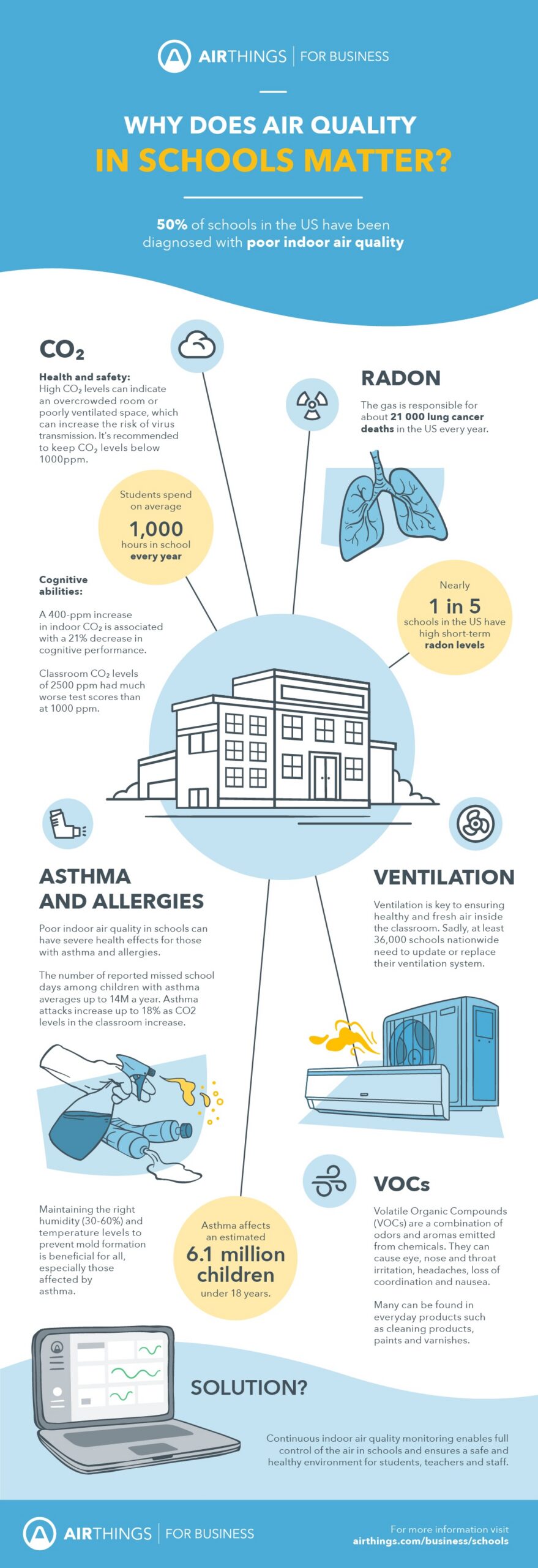
Microbial growth, chemicals, or gases at unhealthy levels can be in any home, school, or business building. New buildings are not necessarily better or have cleaner air than older ones.
The pollutant sources are from outdoor pollution infiltration and accumulation of occupants and their activities. According to the EPA, Radon is the most dangerous indoor environmental air pollutant and is the number 1 cause of lung cancer in nonsmokers. It is found in any building type, despite the common misconception that it is only found in basements. Through monitoring and testing, radon-induced lung cancer can be prevented.
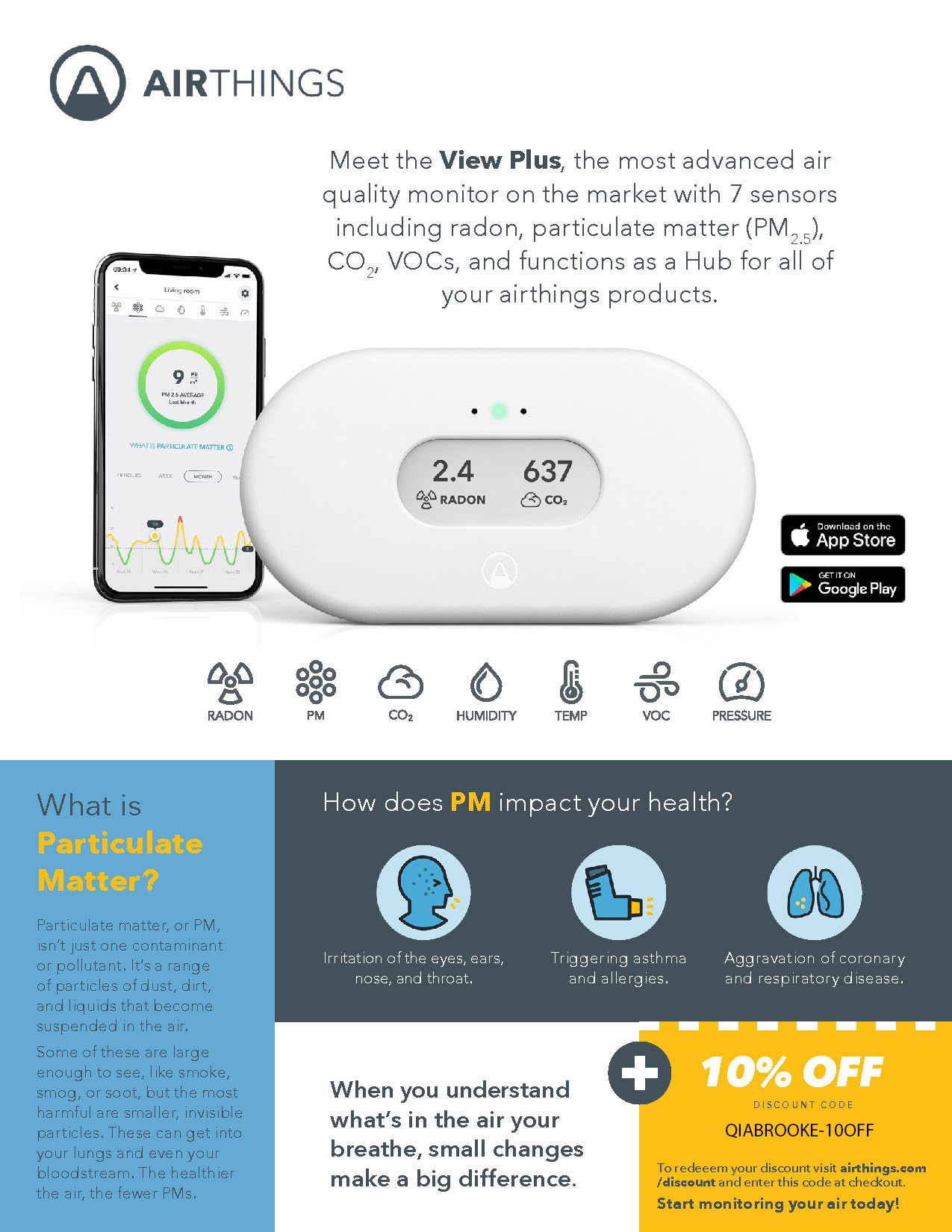
Very tiny particulate matter enters the bloodstream, PM2.5 has very serious consequences for brain, heart, and lung health, for example: COPD, Asthma, and cancers.
VOCs from building and cleaning products, high outdoor and indoor ozone levels, pollen, and dust all factor in to attendence, performance, and grades.
Strategic Solutions to Reduce Absenteeism
Schools and businesses are serious about improving indoor air and protecting human health. QUALITY INDOOR AIR’s contract projects aid in organizing Indoor Air Quality Teams, constructing custom IAQ Management Plans, and assessing IAQ Risks. Therefore, our projects reduce Facility Managers’ workloads, and IAQ improvements are expedited to reduce risks, symptoms, and liabilities.
Teaching clients about reducing indoor air triggers and indoor allergens that both cause and exacerbate asthma and allergies adds to the value of our services. Indoor Air Quality training is a critical need today, as more chemicals and pollution are entering buildings. We put tools into your hands so you control indoor pollutants.
By reducing, removing, and managing indoor contaminants, families, businesses, and school staff know their indoor air is being managed. Meanwhile, with cleaner air, there are fewer emergencies, morale gets a boost, and there is less absenteeism. Likewise, students’ test scores and staff productivity rise. Better building health equals better human health.
Filtration and Monitoring IAQ
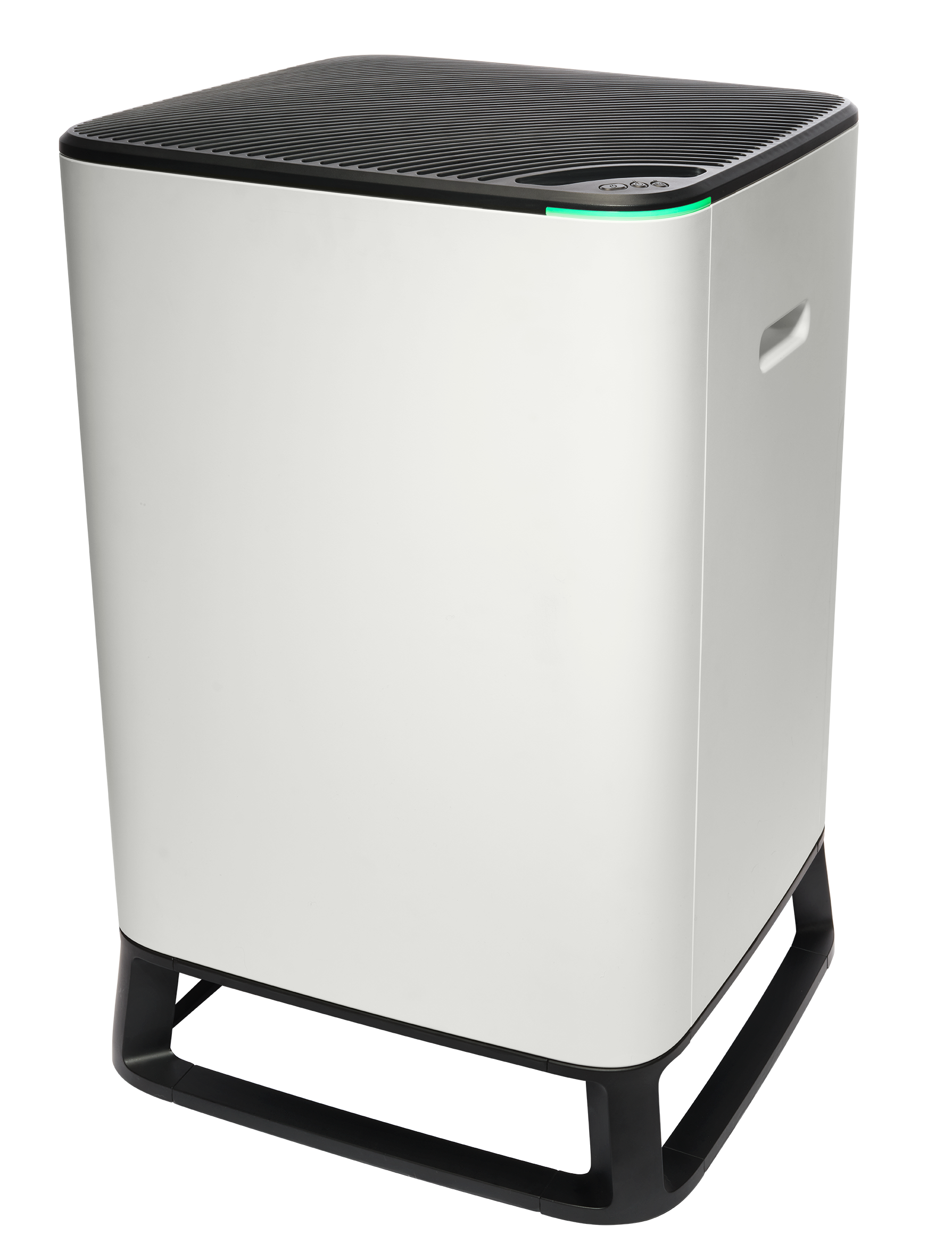
Advanced air monitors and cutting-edge quiet air purifiers exceeding HEPA capabilities are a first step to putting you in the driver’s seat. IAQ products reduce sinus, asthma, and allergy symptoms at the best prices. Customers protect their living, working, and sleeping spaces with these special tools, for instance. Therefore, a multitude of chemical substances, fungi, bacteria, viruses, and gases can be removed with the correct Indoor air filtration and ventilation techniques.
Hiring Certified Indoor Air Managers is the wise choice to manage indoor air pollution risks and hazards. Indoor Air Assessments, reports, and training provide strategic solutions with action steps to mitigate indoor air problems. Creating Healthy Spaces is our main goal to protect vulnerable populations. Following the development and implementation of our custom Comprehensive Indoor Air Quality Management Plans, training is offered and provides sustainable benefits.
More and more time is spent indoors with less ventilation, which speeds the accumulation of health risks. Don’t you want to know what you are breathing and how to make it better?